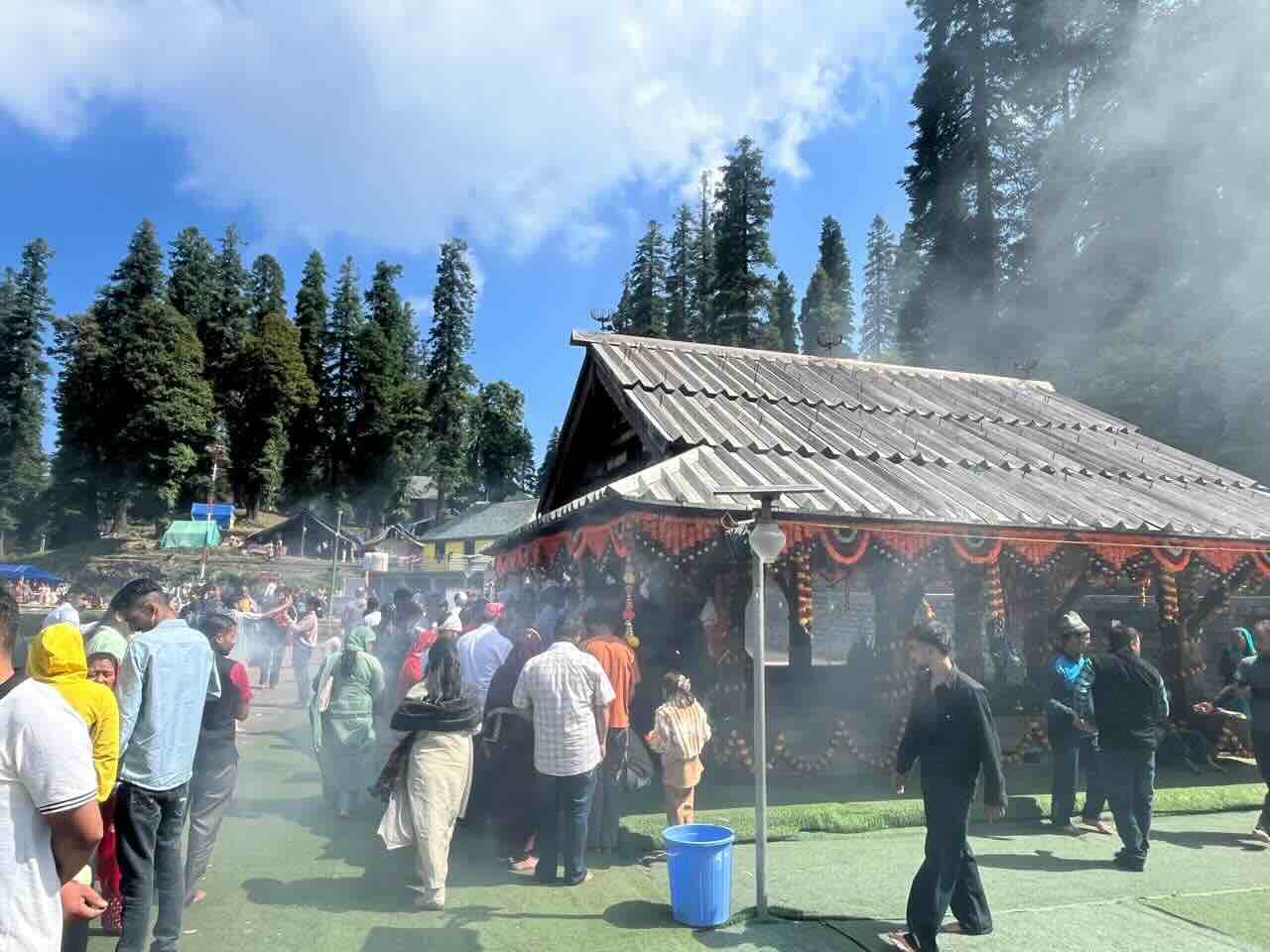
Kamrunag Temple against the Himalayan peaks
Mandi · Himachal Pradesh · 3,300m मंडी · हिमाचल प्रदेश · 3,300 मी.

Dev Kamrunag a temple above the clouds of Mandi.

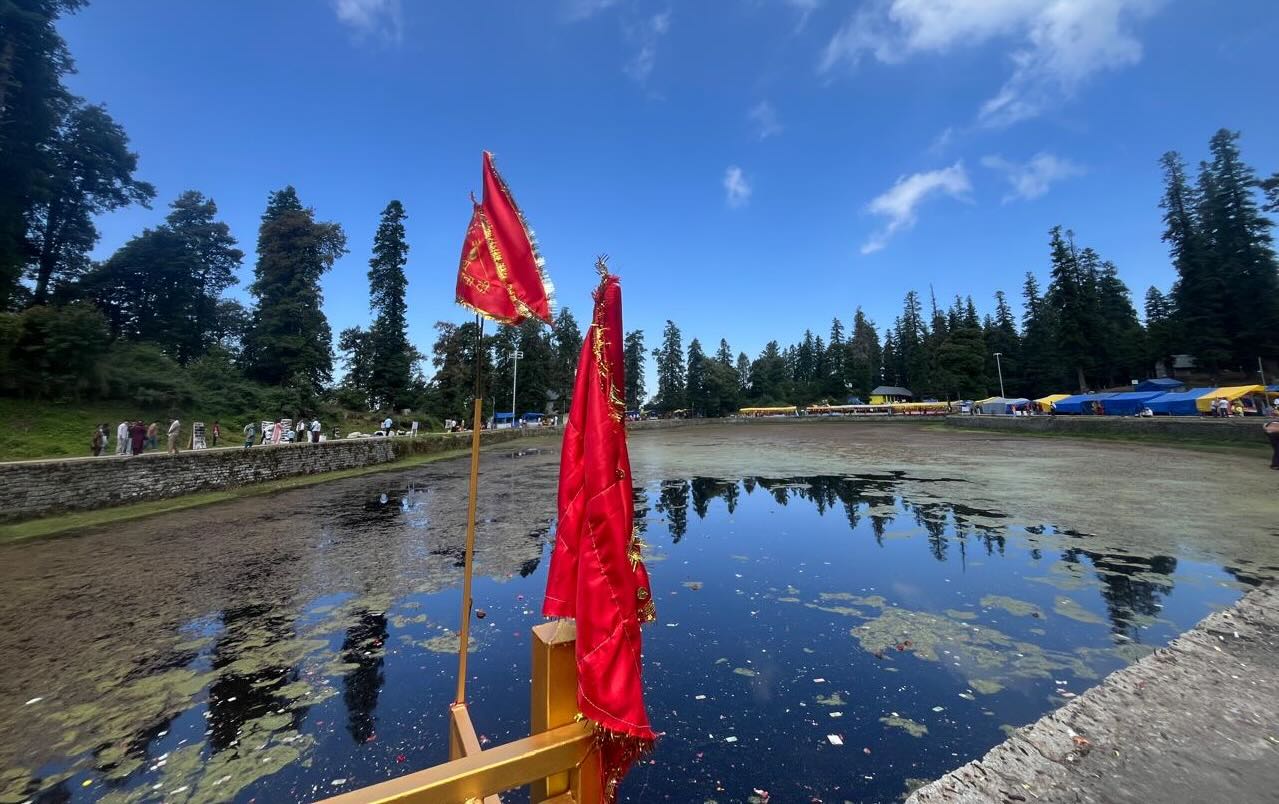
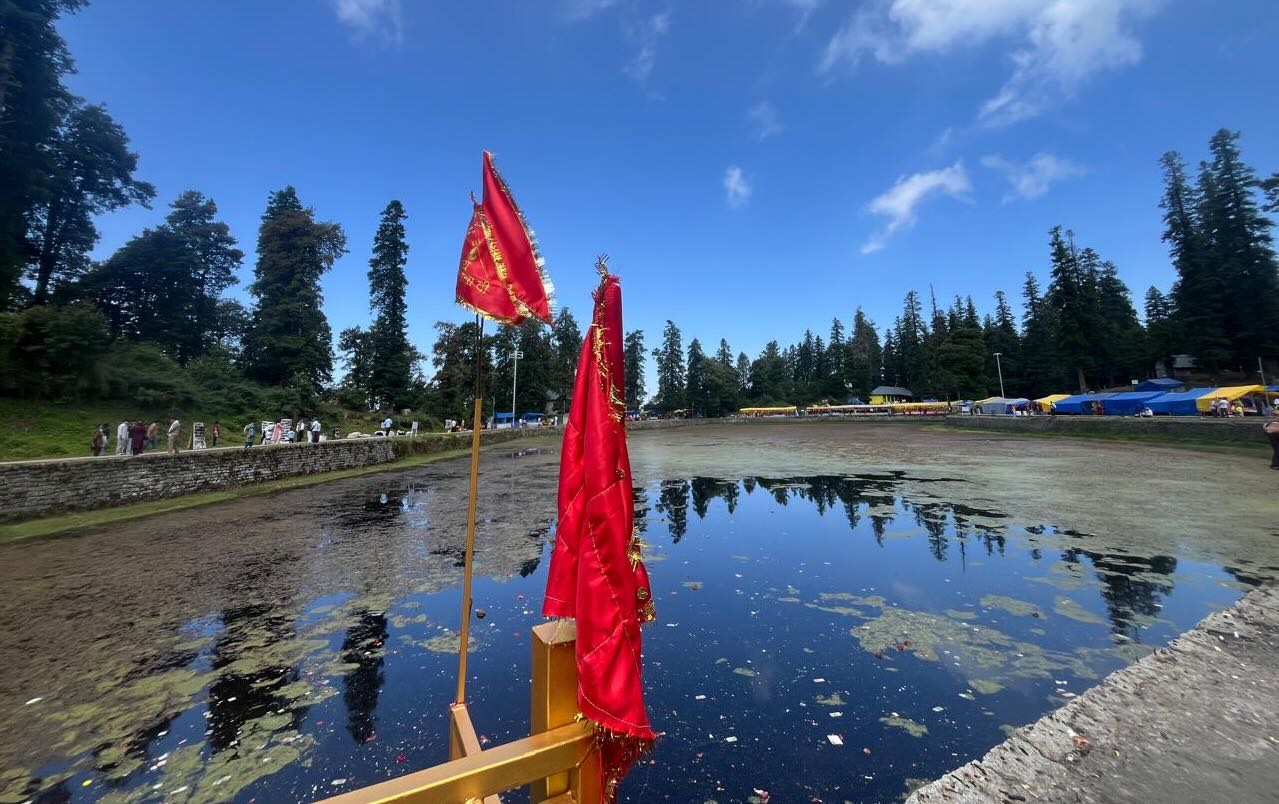
A centuries-old shrine to the serpent deity, set beside a high-altitude lake where devotees offer coins and silver to the deep green waters — and the Himalayas keep silent watch around it. नाग देवता का सदियों पुराना मंदिर, एक ऊँची झील के किनारे, जहाँ भक्त गहरे हरे जल में सिक्के और चांदी अर्पित करते हैं — और हिमालय चुपचाप निहारता रहता है।

Scroll स्क्रॉल करें
Established in antiquity Mandi District · 3,300m Dev Kamrunag Sacred Lake of the Serpent God 6 km Trek through Deodar Forest Coin Offerings Tradition Himalayan Pilgrimage Established in antiquity Mandi District · 3,300m Dev Kamrunag Sacred Lake of the Serpent God 6 km Trek through Deodar Forest Coin Offerings Tradition Himalayan Pilgrimage

The serpent deity who chose these mountains. नाग देवता जिन्होंने ये पर्वत चुने।

Dev Kamrunag — also known as Rana Veda, the king of the serpents — is among the most revered local deities of Mandi district. The temple, perched at 3,300 metres above sea level, overlooks a deep green glacial lake whose depth has never been formally measured. Devotees from across Himachal and beyond make the six-kilometre pilgrimage through dense deodar forest to seek his blessing. देव कामरुनाग — जिन्हें राणा वेद भी कहा जाता है, नागों के राजा — मंडी ज़िले के सबसे पूजनीय स्थानीय देवताओं में से एक हैं। समुद्र तल से 3,300 मीटर ऊपर स्थित यह मंदिर एक गहरे हरे रंग की ग्लेशियर झील को देखता है, जिसकी गहराई का आज तक कोई औपचारिक रूप से मापन नहीं किया गया है। हिमाचल और बाहर से आने वाले भक्त घने देवदार वन के बीच से होकर छह किलोमीटर की यात्रा कर उनका आशीर्वाद लेते हैं।

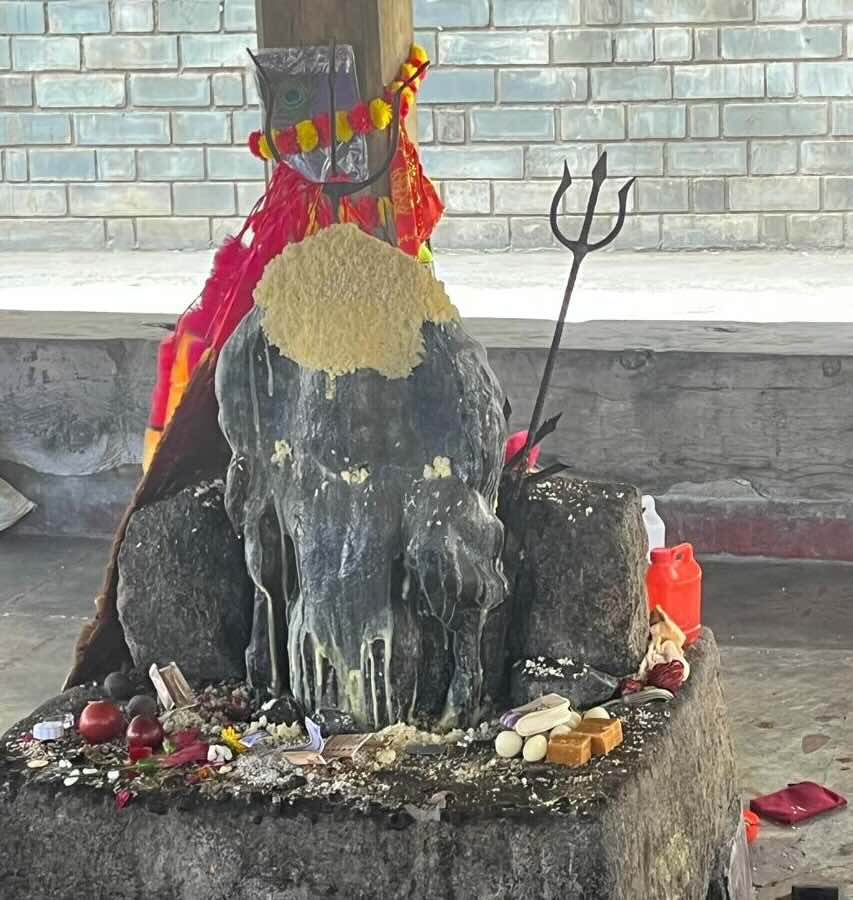
The deity is worshipped both as a guardian of the mountains and as a wish-fulfiller. The ritual is distinctive — pilgrims toss coins, silver ornaments, and sometimes gold into the lake as offerings. The offerings are never retrieved. The lake, the belief goes, is the deity's treasury, and what is given to it stays. देवता को पर्वतों के रक्षक और मनोकामना पूर्ण करने वाले दोनों रूप में पूजा जाता है। अनुष्ठान विशिष्ट है — तीर्थयात्री सिक्के, चांदी के आभूषण, और कभी-कभी सोना भी झील में अर्पण करते हैं। ये अर्पण कभी वापस नहीं लिए जाते। मान्यता है कि झील देवता का खज़ाना है, और जो इसे सौंपा गया, वहीं रहता है।

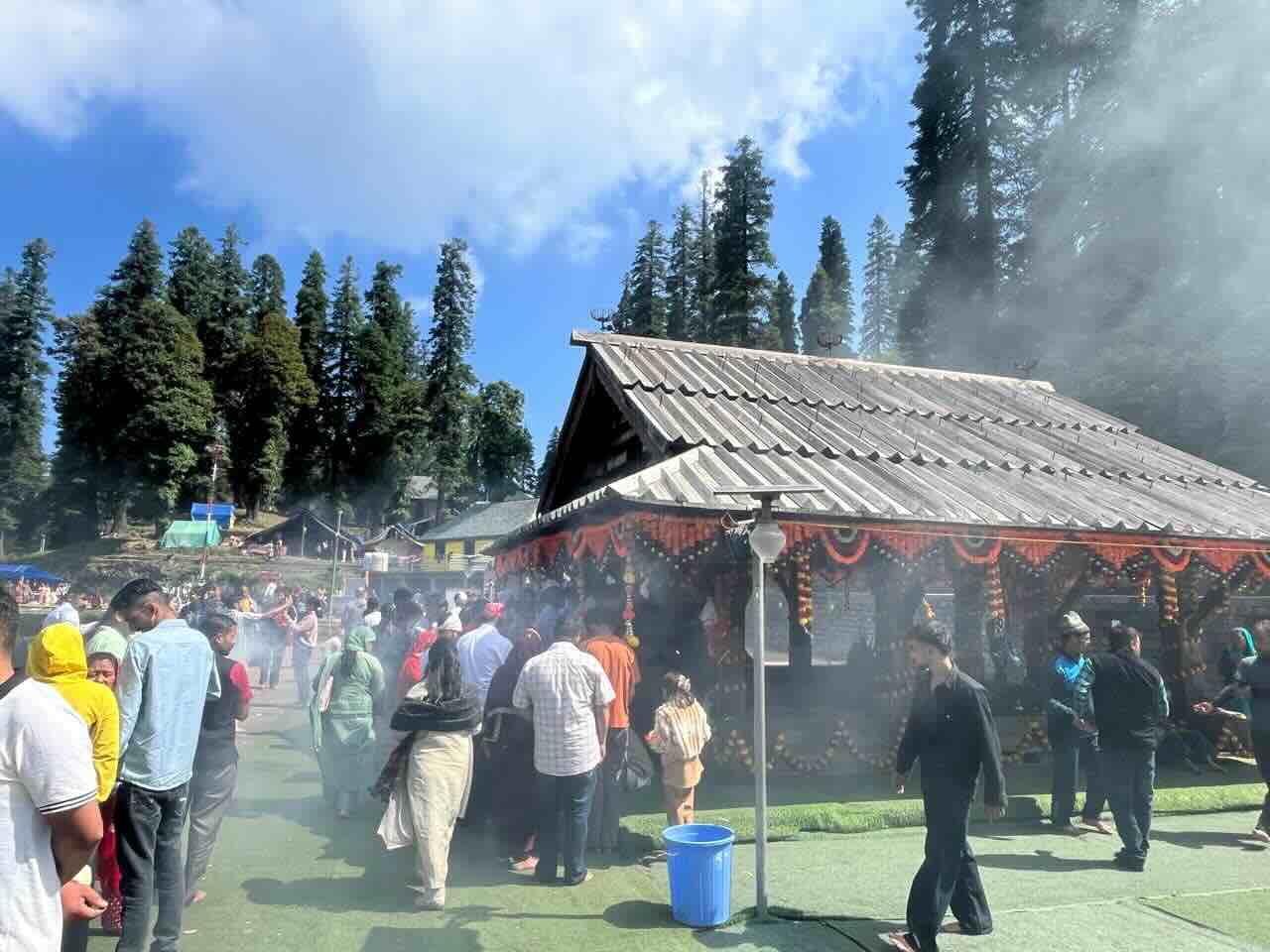
The temple itself is small, built in the traditional Kath-Kuni style with interlocking cedar wood and stone, without mortar. Its humble scale is deliberate. The deity, the priest will tell you, does not need grandeur — he has the entire Dhauladhar range for a courtyard. मंदिर स्वयं छोटा है, पारंपरिक काठ-कुनी शैली में बिना गारे के, उत्तरकार लकड़ी और पत्थर से बना है। इसका विनम्र आकार जानबूझकर है। पुजारी आपको बताएंगे कि देवता को भव्यता की आवश्यकता नहीं है — उनके प्रांगण के लिए सम्पूर्ण धौलाधार श्रेणी है।

3,300m Altitudeऊँचाई
~800 BCE Earliest Worshipप्रारंभिक पूजा
6 km Trek Distanceट्रेक दूरी
~50,000 Annual Pilgrimsवार्षिक तीर्थयात्री
Wooden facade of Kamrunag Temple
The temple's Kath-Kuni cedar facade Plate I
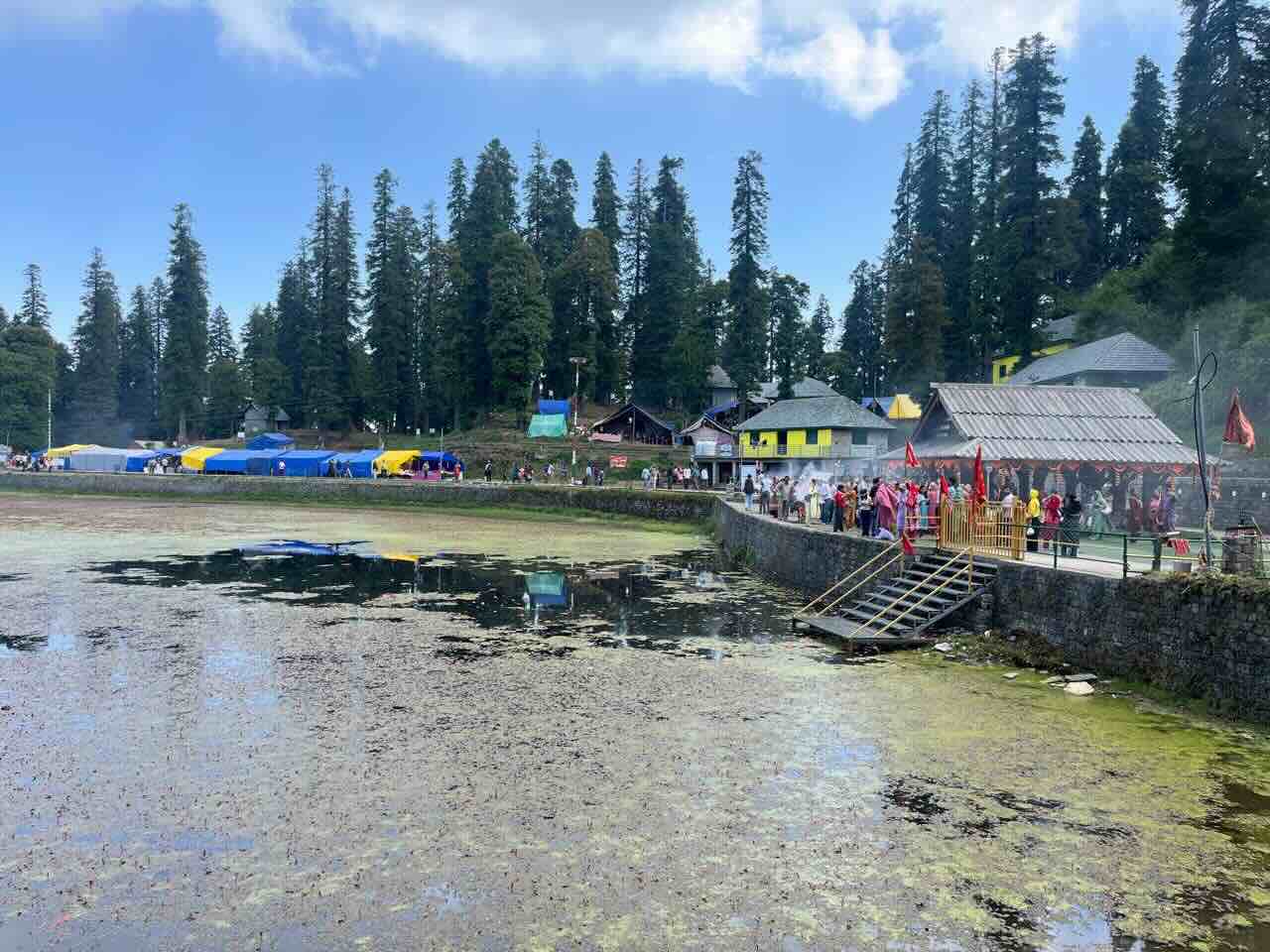
Aerial view of Kamrunag Lake
The sacred lake, seen from the eastern ridge Plate II
Temple priest performing ritual
The pujari conducts the morning aarti Plate III
Deodar forest trail to Kamrunag
The deodar-lined approach trail, May Plate IV

A deity recorded in the Mahabharata, still worshipped today. एक देवता जो महाभारत में अंकित है, आज भी पूजित।

The origins of Kamrunag are entwined with the mythology of the Pandavas. According to the most widely recounted legend, the deity was a warrior Barbrik in the Mahabharata war who, after the great battle, renounced the world and retreated into the Himalayas. The serpent god, pleased by his devotion, granted him a place among the divine — and a lake of his own. कामरुनाग की उत्पत्ति पांडवों की पौराणिक कथाओं से जुड़ी है। सबसे प्रचलित कथा के अनुसार, देवता महाभारत युद्ध का एक योद्धा बर्बरिक था जिसने महान युद्ध के बाद संसार का त्याग कर हिमालय में आश्रय लिया। नाग देवता उसकी भक्ति से प्रसन्न होकर उसे दिव्य लोक में स्थान दिया — और उसकी अपनी झील प्रदान की।

Oral histories from the Mandi region trace the worship of Kamrunag to at least the 8th century, though the present temple structure is believed to date from the 14th century — rebuilt several times after winter damage. The deity was formally adopted into the royal pantheon of the Mandi kingdom during the reign of Raja Ajbar Sen in the 1500s, and the temple has received state patronage ever since. मंडी क्षेत्र की मौखिक इतिहास परंपरा कामरुनाग की पूजा को कम से कम 8वीं शताब्दी तक खोजती है, हालाँकि वर्तमान मंदिर संरचना 14वीं शताब्दी की मानी जाती है — शीतकालीन क्षति के बाद कई बार पुनर्निर्मित। देवता को औपचारिक रूप से 1500 के दशक में राजा अजबर सेन के शासनकाल में मंडी राज्य के राजपरिवार में सम्मिलित किया गया, और तब से मंदिर को राज्य का संरक्षण प्राप्त है।

~800 BCE

Mythological Originपौराणिक उत्पत्ति

Earliest association with the post-Mahabharata period. Local oral traditions place the warrior-sage's arrival to these peaks at this time. महाभारत के बाद के काल से प्रारंभिक संबंध। स्थानीय मौखिक परंपराएँ योद्धा-ऋषि के इन शिखरों पर आगमन को इस समय स्थित करती हैं।

8th Century

Earliest Recorded Worshipप्रारंभिक लिखित पूजा

References to Kamrunag worship appear in copperplate inscriptions from the nearby Bharmour kingdom — the earliest documentary evidence of the deity. समीपस्थ भरमौर राज्य के ताम्रपत्र अभिलेखों में कामरुनाग पूजा का उल्लेख मिलता है — देवता का सबसे प्राचीन दस्तावेज़ी प्रमाण।

14th Century

Temple Constructionमंदिर निर्माण

The current Kath-Kuni structure is believed to have been raised during this period, replacing an earlier shrine. The interlocking wood-and-stone technique has helped it survive centuries of Himalayan winters. वर्तमान काठ-कुनी संरचना इसी काल में निर्मित मानी जाती है, जिसने पूर्ववर्ती मंदिर का स्थान लिया। उत्तरकार लकड़ी-पत्थर की तकनीक ने इसे हिमालयी शीतकालों के शताब्दियों में जीवित रखा है।

1527 CE

Royal Patronageराज्य संरक्षण

Raja Ajbar Sen of Mandi formally adopts Kamrunag into the royal pantheon. The temple becomes a stop on the state pilgrimage circuit and receives land grants for its upkeep. मंडी के राजा अजबर सेन औपचारिक रूप से कामरुनाग को राज्य परिवार में सम्मिलित करते हैं। मंदिर राज्य तीर्थयात्रा परिपथ पर एक स्थल बन जाता है और इसके रखरखाव के लिए भूमि अनुदान प्राप्त करता है।

1850s

Colonial Surveyऔपनिवेशिक सर्वेक्षण

British surveyors document the temple and lake in the Settlement Reports of Mandi. The first attempt to measure the lake's depth is made — and abandoned at 40 fathoms without finding bottom. ब्रिटिश सर्वेक्षक मंडी के बंदोबस्त रिपोर्टों में मंदिर और झील का दस्तावेज़ीकरण करते हैं। झील की गहराई मापने का पहला प्रयास किया जाता है — और तल के बिना ही 40 फ़ैथम पर त्याग दिया जाता है।

1948

Post-Independence Trustस्वतंत्रता पश्चात ट्रस्ट

With the merger of Mandi into Himachal Pradesh, the temple's administration passes to the Dev Kamrunag Temple Trust, which manages it to this day in consultation with the local deity's Kardars. मंडी के हिमाचल प्रदेश में विलय के साथ, मंदिर का प्रशासन देव कामरुनाग मंदिर ट्रस्ट को हस्तांतरित होता है, जो आज भी स्थानीय देवता के कारदारों के परामर्श से इसे संचालित करता है।

Today

Living Traditionजीवंत परंपरा

The temple receives over 50,000 pilgrims annually. The June mela remains among the largest gatherings in the Mandi region. The deity is also invoked for rain during drought years — and is widely credited with answering. मंदिर वार्षिक रूप से 50,000 से अधिक तीर्थयात्रियों को स्वागत करता है। जून का मेला मंडी क्षेत्र के सबसे बड़े समागमों में से एक बना हुआ है। सूखे के वर्षों में वर्षा के लिए भी देवता का आह्वान किया जाता है — और व्यापक रूप से माना जाता है कि वे सुनते हैं।

A small shrine, a bottomless lake, and a circle of peaks. एक छोटा मंदिर, एक अथाह झील, और शिखरों का घेरा।

The temple complex has three distinct elements: the wooden shrine itself, the oval glacial lake beside it, and the surrounding meadow that serves as the festival ground during the June mela. Each functions as part of a single sacred geography. मंदिर परिसर के तीन विशिष्ट तत्व हैं: लकड़ी का मंदिर स्वयं, इसके किनारे की अंडाकार ग्लेशियर झील, और चारों ओर का घास का मैदान जो जून के मेले के दौरान उत्सव का मैदान बनता है। प्रत्येक एक ही पवित्र भूगोल के अंग के रूप में कार्य करता है।

Kamrunag Temple architecture

The Shrineमंदिर

Built in the traditional Kath-Kuni style — alternating layers of cedar wood and slate stone, fitted without mortar — the temple is modest in scale, perhaps 25 feet tall at its peak. The sanctum houses a silver mask of the deity, which is brought out only during the June mela. The temple's pitched wooden roof is replaced roughly every thirty years, always using cedar from the surrounding forest. पारंपरिक काठ-कुनी शैली में निर्मित — देवदार लकड़ी और स्लेट पत्थर की एकांतर परतें, बिना गारे के जोड़ी गई — मंदिर आकार में साधारण है, शिखर पर लगभग 25 फ़ीट ऊँचा। गर्भगृह में देवता का एक रजत मुखौटा स्थित है, जो केवल जून के मेले के दौरान बाहर लाया जाता है। मंदिर की ढलान वाली लकड़ी की छत लगभग हर तीस वर्ष में बदली जाती है, सदैव चारों ओर के वन से देवदार का उपयोग करके।

Builtनिर्मित 14th C.
Styleशैली Kath-Kuni
Heightऊँचाई ~25 ft
Sacred Kamrunag Lake

The Sacred Lakeपवित्र झील

An oval glacial lake, roughly 200 metres across, sits a few paces below the temple. Its waters are a deep, opaque emerald — coloured by mineral salts and the depth. Divers have attempted to reach the bottom and failed; the lake is considered effectively bottomless in local tradition. Pilgrims perform a parikrama (circumambulation) around its shore before making their offerings. एक अंडाकार ग्लेशियर झील, लगभग 200 मीटर चौड़ी, मंदिर से कुछ कदम नीचे बैठी है। इसका जल गहरा, अपारदर्शी पन्ना है — खनिज लवणों और गहराई से रंजित। गोताखोरों ने तल तक पहुँचने का प्रयास किया और असफल रहे; स्थानीय परंपरा में झील को प्रभावी रूप से अथाह माना जाता है। तीर्थयात्री अपने अर्पण से पहले इसके किनारे परिक्रमा करते हैं।

Lengthलंबाई ~200m
Depthगहराई Unmeasured
Frozenजमा हुआ Dec–Mar
Meadow around Kamrunag

The Meadowघास का मैदान

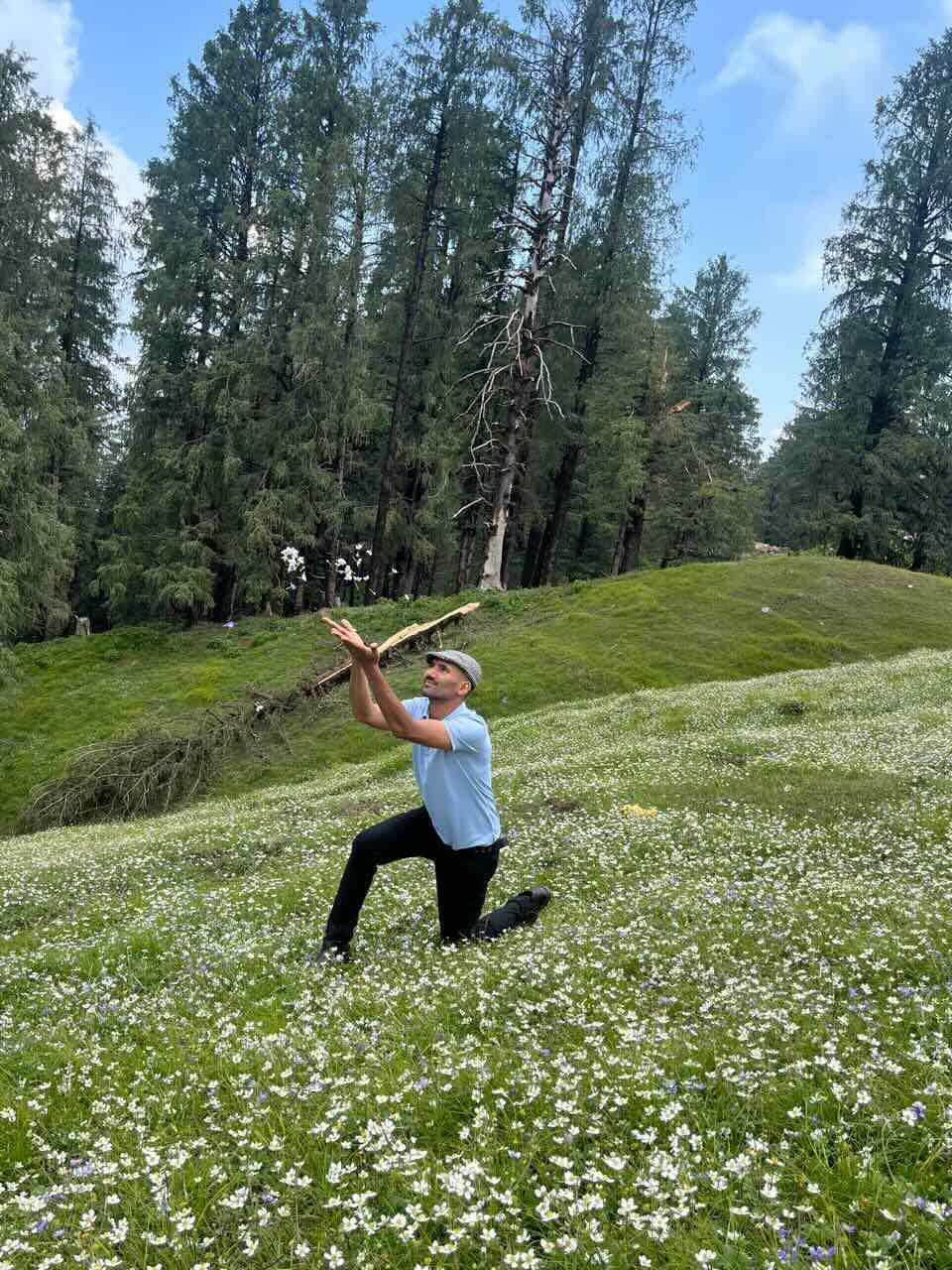
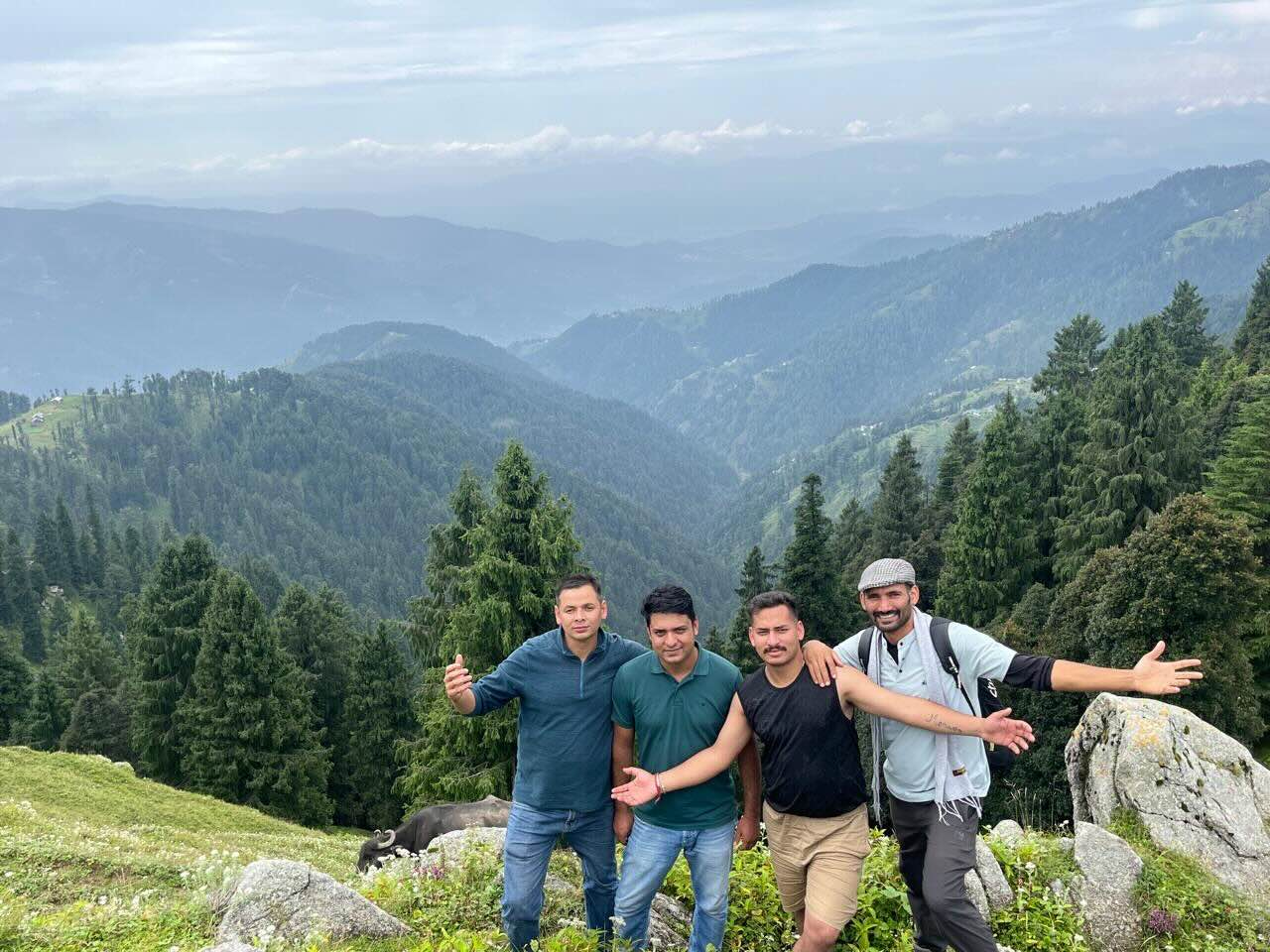
A wide alpine meadow surrounds both temple and lake. For most of the year it is empty save for grazing sheep and the occasional shepherd. During the June mela it transforms — tents, food stalls, and thousands of pilgrims spread across the grass, with the Dhauladhar range rising behind. The silence of the rest of the year makes the contrast more striking. एक विस्तृत अल्पाइन मैदान मंदिर और झील दोनों को घेरे है। वर्ष के अधिकांश के लिए यह चरती भेड़ों और कभी-कभी आने वाले चरवाहे को छोड़कर खाली रहता है। जून के मेले के दौरान यह बदल जाता है — तंबू, खाद्य स्टाल, और हज़ारों तीर्थयात्री घास पर फैल जाते हैं, पीछे धौलाधार श्रेणी उठती है। वर्ष के बाकी के मौन से यह विरोधाभास और अधिक प्रबल हो जाता है।

Five stages of the yata, from roadhead to shrine. यात्रा के पाँच चरण, सड़क के अंत से मंदिर तक।

The standard pilgrimage follows a five-stage arc. Most pilgrims complete the journey in a single day, though an overnight stay is recommended for those who wish to attend the dawn aarti. Below: the sequence, with practical notes for each stage. मानक यात्रा पाँच चरणों का अनुसरण करती है। अधिकांश तीर्थयात्री यात्रा एक ही दिन में पूरी करते हैं, हालाँकि भोर के आरती में शामिल होने वालों के लिए रात्रि ठहराव अनुशंसित है। नीचे: क्रम, प्रत्येक चरण के साथ व्यावहारिक नोट्स।

01

Reach Mandiमंडी पहुँचें

Mandi town is 200km from Chandigarh, 110km from Kullu. Regular HRTC buses, plus the narrow-gauge train to Jogindernagar (60km further). Stay overnight; start the climb early. मंडी कस्बा चंडीगढ़ से 200 किमी, कुल्लू से 110 किमी। नियमित HRTC बसें, साथ ही जोगिंदरनगर तक नैरो-गेज ट्रेन (60 किमी आगे)। रात भर ठहरें; चढ़ाई जल्दी शुरू करें।

02

Drive to Rohandaरोहंडा तक ड्राइव

From Mandi, take the road toward Sundernagar, then fork toward Chailchowk and continue to Rohanda (60km, ~2.5 hrs). Local taxis charge ₹1,500–2,000 one-way. Buses run twice daily. मंडी से सुंदरनगर की सड़क लें, फिर चैलचौक की ओर मुड़ें और रोहंडा तक जारी रखें (60 किमी, ~2.5 घंटे)। स्थानीय टैक्सी ₹1,500–2,000 एकतरफ़ा। बसें दिन में दो बार चलती हैं।

03

Begin the Trekट्रेक शुरू करें

The trail starts from Rohanda roadhead (1,950m). Initial 2km is a moderate climb through deodar forest. Carry water — there is no reliable source until the top. Walking stick recommended. ट्रेक रोहंडा रोडहेड (1,950 मी) से शुरू होती है। प्रारंभिक 2 किमी देवदार वन के माध्यम से मध्यम चढ़ाई है। पानी साथ लें — शीर्ष तक कोई विश्वसनीय स्रोत नहीं। छड़ी अनुशंसित।

04

Reach the Templeमंदिर पहुँचें

Final 4km is steeper, gaining 1,350m. The trail emerges from the tree line into the alpine meadow. The temple and lake appear suddenly — there is no view until you are almost upon them. Total trek: 3–4 hours. अंतिम 4 किमी अधिक ढलान वाली है, 1,350 मी की वृद्धि। ट्रेल वृक्ष रेखा से निकलकर अल्पाइन मैदान में प्रवेश करती है। मंदिर और झील अचानक प्रकट होते हैं — जब तक आप लगभग उन पर नहीं पहुँचते तब तक कोई दृश्य नहीं। कुल ट्रेक: 3–4 घंटे।

05

Make Offeringअर्पण करें

Perform parikrama of the lake clockwise. Toss coins or silver into the waters — never retrieve anything. Visit the temple for darshan and prasad. The pujari offers a thread amulet for protection. Descend by mid-afternoon. झील की दक्षिणावर्त परिक्रमा करें। सिक्के या चांदी जल में डालें — कभी कुछ वापस न लें। दर्शन और प्रसाद के लिए मंदिर जाएँ। पुजारी सुरक्षा के लिए धागे का ताबीज़ देते हैं। दोपहर तक वापस उतरें।

Four routes to the temple, each with its own character. मंदिर तक चार मार्ग, प्रत्येक अपनी विशेषता के साथ।

Most pilgrims take the classic Rohanda route — a steady six-kilometre climb. The two longer routes from Chailchowk and Janjehli are quieter, more scenic, and considerably more demanding. All four converge at the temple meadow. Hover each route to see the terrain. अधिकांश तीर्थयात्री शास्त्रीय रोहंडा मार्ग लेते हैं — एक स्थिर छह किलोमीटर चढ़ाई। चैलचौक और जंजेहली से दो लंबे मार्ग शांत, अधिक सुंदर, और काफ़ी अधिक चुनौतीपूर्ण हैं। चारों मंदिर मैदान में मिलते हैं। भूभाग देखने के लिए प्रत्येक मार्ग पर माउस करें।

01

Jaach – Dhyangra Route — The Sacred Forest Trail जाच – ध्यांगरा मार्ग — पवित्र वन यात्रा

One of the oldest and most scenic traditional routes to Kamrunag Temple, starting from Jaach village. The trail passes through dense deodar forests, traditional grazing meadows and the picturesque Dhyangra ridge before climbing towards the sacred Kamrunag Lake. This route offers magnificent Himalayan views and a peaceful trekking experience away from motor roads. Suitable for pilgrims, nature lovers and moderately experienced trekkers. जाच गांव से शुरू होने वाला यह भगवान कमरूनाग मंदिर का सबसे सुंदर और प्राचीन पारंपरिक मार्गों में से एक है। यह ट्रैक घने देवदार के जंगलों, प्राकृतिक चरागाहों और मनमोहक ध्यांगरा धार से होकर पवित्र कमरूनाग झील तक पहुँचता है। पूरे मार्ग में हिमालय की भव्य पर्वत श्रृंखलाओं के अद्भुत दृश्य देखने को मिलते हैं। यह मार्ग श्रद्धालुओं, प्रकृति प्रेमियों तथा मध्यम अनुभव वाले ट्रेकर्स के लिए उपयुक्त है।

Jaach Dhyangra Kamrunag Route
Distance दूरी 8.5 km
Duration अवधि 4–5 hrs
Elevation ऊँचाई +950 m
Moderate मध्यम
02

Rohanda Route — The Classic Pathरोहंडा मार्ग — शास्त्रीय पथ

The standard pilgrimage route. A steady climb through deodar forest, gaining 1,350m over six kilometres. Well-marked, frequently travelled, with rest shelters at 2km and 4km. The final kilometre opens out into the alpine meadow. मानक तीर्थयात्रा मार्ग। देवदार वन के माध्यम से एक स्थिर चढ़ाई, छह किलोमीटर में 1,350 मी की वृद्धि। सुचिह्नित, अक्सर यात्रा किया जाता, 2 किमी और 4 किमी पर विश्राम आश्रय। अंतिम किलोमीटर अल्पाइन मैदान में खुलता है।

Rohanda trek route
Distanceदूरी6 km
Durationअवधि3–4 hrs
Elevationऊँचाई+1,350m
Moderateमध्यम
03

Chailchowk Route — The Forest Trailचैलचौक मार्ग — वन पथ

A longer, quieter route beginning from Chailchowk village. The trail passes through old-growth oak and rhododendron forest, crosses two streams, and joins the Rohanda route for the final kilometre. Used mostly by shepherds and serious trekkers. चैलचौक गाँव से शुरू होने वाला एक लंबा, शांत मार्ग। ट्रेल पुराने ओक और बुरांश के वन से होकर गुज़रती है, दो धाराओं को पार करती है, और अंतिम किलोमीटर के लिए रोहंडा मार्ग से जुड़ती है। अधिकतर चरवाहों और गंभीर ट्रेकर्स द्वारा उपयोग।

Chailchowk forest route
Distanceदूरी14 km
Durationअवधि7–8 hrs
Elevationऊँचाई+1,500m
Difficultकठिन
04

Janjehli Route — The Pilgrim's Long Walkजंजेहली मार्ग — तीर्थयात्री की लंबी पदयात्रा

The traditional pilgrim route from Janjehli valley, used before the road was built to Rohanda. Eighteen kilometres through some of the most remote forest in Mandi district. Two river crossings, one high pass at 3,000m. Recommended only for experienced trekkers with a local guide. जंजेहली घाटी से पारंपरिक तीर्थयात्री मार्ग, रोहंडा तक सड़क बनने से पहले उपयोग किया जाता था। मंडी ज़िले के सबसे दुर्गम वन से होकर अठारह किलोमीटर। दो नदी पार, 3,000 मी पर एक उच्च दर्रा। केवल स्थानीय गाइड के साथ अनुभवी ट्रेकर्स के लिए अनुशंसित।

Janjehli route
Distanceदूरी18 km
Durationअवधि9–11 hrs
Elevationऊँचाई+1,800m
Expertविशेषज्ञ

The temple, the trail, and the surrounding geography. मंदिर, ट्रेल, और चारों ओर का भूगोल

Temple Coordinatesमंदिर निर्देशांक

31.5070° N, 76.9520° E

3,300m above sea level, Mandi district. समुद्र तल से 3,300 मीटर, मंडी ज़िला।

Roadhead — Rohandaरोडहेड — रोहंडा

1,950m · 60km from Mandi town

Where the paved road ends and the trek begins. Local taxis and twice-daily buses from Mandi. जहाँ पक्की सड़क समाप्त होती है और ट्रेक शुरू होती है। मंडी से स्थानीय टैक्सी और दिन में दो बार बसें।

Best Approachसर्वोत्तम मार्ग

Mandi → Sundernagar → Chailchowk → Rohanda

Approximately 2.5 hours by car from Mandi. The final 15km is mountain road — driven slowly. मंडी से कार द्वारा लगभग 2.5 घंटे। अंतिम 15 किमी पर्वतीय सड़क है — धीरे चलाएँ।

Mobile Coverageमोबाइल कवरेज

Available up to Rohanda · None at templeरोहंडा तक उपलब्ध · मंदिर पर नहीं

Map Legend
  • Kamrunag Templeकामरुनाग मंदिर
  • Trek Start (Rohanda)ट्रेक प्रारंभ (रोहंडा)
  • Nearby Townsनिकटवर्ती कस्बे
  • Nearby Attractionsआसपास के आकर्षण

The calendar of devotion — four gatherings through the year. भक्ति का कैलेंडर — वर्ष भर चार समागम।

The temple's liturgical year is anchored by four major gatherings. The June mela is by far the largest — pilgrims arrive in their tens of thousands. The other three are smaller, quieter, more intimate. Each marks a moment in the agricultural or mythological calendar. मंदिर का धार्मिक वर्ष चार प्रमुख समागमों द्वारा स्थापित है। जून का मेला सबसे बड़ा है — तीर्थयात्री हज़ारों की संख्या में आते हैं। अन्य तीन छोटे, शांत, अधिक व्यक्तिगत हैं। प्रत्येक कृषि या पौराणिक कैलेंडर में एक क्षण को चिह्नित करता है।

17 June Annual Melaवार्षिक मेला

Kamrunag Melaकामरुनाग मेला

The largest annual gathering. Pilgrims from across Himachal, Punjab, and beyond camp in the meadow for three days. The silver mask of the deity is brought out in procession. Folk performances, ritual offerings, community kitchens. सबसे बड़ा वार्षिक समागम। हिमाचल, पंजाब, और बाहर से तीर्थयात्री तीन दिनों के लिए मैदान में डेरे में रुकते हैं। देवता का रजत मुखौटा जुलूस में निकाला जाता है। लोक प्रस्तुतियाँ, अनुष्ठान अर्पण, सामुदायिक रसोई।

Kamrunag mela
Pilgrimsतीर्थयात्री ~40,000
Durationअवधि 3 days
28 July Nag Panchamiनाग पंचमी

Nag Panchamiनाग पंचमी

The festival of the serpent deity, observed across India but with particular devotion here. Pilgrims offer milk, silver, and flowers to the lake. A smaller, more contemplative gathering — perhaps 5,000 pilgrims over the day. नाग देवता का उत्सव, जो भारत भर में मनाया जाता है लेकिन यहाँ विशेष भक्ति के साथ। तीर्थयात्री झील में दूध, चांदी, और फूल अर्पित करते हैं। एक छोटा, अधिक चिंतनशील समागम — दिन भर में शायद 5,000 तीर्थयात्री।

Nag Panchami
Pilgrimsतीर्थयात्री ~5,000
Durationअवधि 1 day
13 April Bishu Festivalबिशु उत्सव

Bishu — The Spring Gatheringबिशु — वसंत समागम

The traditional new year of the Mandi region. A smaller festival marking the end of winter and the reopening of the temple after the snowbound months. Local villagers walk up from the surrounding valleys. First darshan of the year. मंडी क्षेत्र का पारंपरिक नव वर्ष। एक छोटा उत्सव जो शीतकाल के अंत और बर्फ़ से घिरे महीनों के बाद मंदिर के पुनः खुलने को चिह्नित करता है। स्थानीय ग्रामीण चारों ओर की घाटियों से चलकर आते हैं। वर्ष का पहला दर्शन।

Bishu festival
Pilgrimsतीर्थयात्री ~3,000
Durationअवधि 1 day
15 Oct Sharad Purnimaशारद पूर्णिमा

Sharad Purnimaशारद पूर्णिमा

The autumn full-moon gathering. The clearest views of the year — the Dhauladhar range is visible in sharp detail. Pilgrims stay overnight, with kirtan continuing until the moon sets. The most photogenic of the four festivals. शरद ऋतु का पूर्णिमा समागम। वर्ष का सबसे स्पष्ट दृश्य — धौलाधार श्रेणी स्पष्ट रूप से दिखती है। तीर्थयात्री रात भर रुकते हैं, चाँद डूबने तक कीर्तन जारी रहता है। चार उत्सवों में सबसे चित्रमय।

Sharad Purnima
Pilgrimsतीर्थयात्री ~2,500
Durationअवधि 1 night

Eight months of access, four months of snow. आठ महीने पहुँच के, चार महीने बर्फ़ के।

The temple is genuinely accessible only from March to October. November onwards, snow closes the trail. Even in season, weather at 3,300m is unpredictable — a sunny morning can become a thunderstorm by afternoon. Plan for the worst, hope for the best. मंदिर वास्तव में केवल मार्च से अक्टूबर तक ही पहुँच योग्य है। नवंबर से, बर्फ़ ट्रेल बंद कर देती है। मौसम में भी, 3,300 मी पर मौसम अप्रत्याशित है — एक धूपदार सुबह दोपहर तक आंधी बन सकती है। सबसे खराब के लिए योजना बनाएँ, सर्वोत्तम की आशा करें।

12°C
Clear · Light breezeसाफ़ · हल्की हवा
At the temple, nowमंदिर पर, अभी Wind 8 km/h NW · Humidity 42% · Visibility 30 km हवा 8 किमी/घं उत्तर-पश्चिम · आर्द्रता 42% · दृश्यता 30 किमी
Trek base, Rohandaट्रेक आधार, रोहंडा 19°C · Wind 6 km/h · Humidity 48% 19°C · हवा 6 किमी/घं · आर्द्रता 48%
Springवसंत
Mar — Apr
2°C → 12°C
Trail still snowbound in March. April opens the route — wildflowers, melting snow. Cold nights, warm days. मार्च में ट्रेल अभी बर्फ़ से ढकी। अप्रैल मार्ग खोलता है — जंगली फूल, पिघलती बर्फ़। ठंडी रातें, गर्म दिन।
Summerग्रीष्म
May — Jun
8°C → 20°C
Best season. Clear skies, mild days, meadow in full bloom. June mela brings crowds. Book accommodation early. सर्वोत्तम ऋतु। साफ़ आकाश, हल्के दिन, मैदान पूरे खिले। जून का मेला भीड़ लाता है। आवास जल्दी बुक करें।
Monsoonमानसून
Jul — Sep
6°C → 16°C
Heavy rain, landslides possible. Mist-shrouded forest, dramatic cloud formations. Not recommended for novice trekkers. भारी वर्षा, भूस्खलन संभव। कोहरे से ढका वन, नाटकीय बादल संरचनाएँ। नवोन्मेषी ट्रेकर्स के लिए अनुशंसित नहीं।
Autumnशरद
Oct — Nov
0°C → 12°C
Second-best season. Clearest views of the year, golden deodars, cold nights. November snow begins to close the trail. द्वितीय सर्वोत्तम ऋतु। वर्ष के सबसे स्पष्ट दृश्य, सुनहरे देवदार, ठंडी रातें। नवंबर में बर्फ़ ट्रेल बंद करना शुरू करती है।

Six places to combine with the yata. यात्रा के साथ संयोजित करने योग्य छह स्थान।

Mandi district holds more than a single sacred destination. Below: six sites within a day's drive of Kamrunag, ranging from temples to lakes to colonial-era towns. Most pilgrims combine two or three into their itinerary. मंडी ज़िला एकमात्र पवित्र गंतव्य से अधिक रखता है। नीचे: कामरुनाग से एक दिन की ड्राइव के भीतर छह स्थल, मंदिरों से लेकर झीलों से लेकर औपनिवेशिक कस्बों तक। अधिकांश तीर्थयात्री अपने कार्यक्रम में दो या तीन को संयोजित करते हैं।

01
Sacred Lakeपवित्र झील

Prashar Lake

A high-altitude lake with a floating island that drifts across its surface. The sage Prashar is said to have meditated here. A small pagoda-style temple, deep blue waters, and 360° mountain views. एक उच्च-ऊंचाई वाली झील जिसमें एक तैरता द्वीप इसकी सतह पर घूमता है। कहा जाता है कि ऋषि पराशर ने यहाँ तपस्या की थी। एक छोटा पैगोडा-शैली का मंदिर, गहरे नीले जल, और 360° पर्वत दृश्य।

Prashar Lake
49 kmfrom Kamrunagकामरुनाग से
02
Mountain Templeपर्वतीय मंदिर

Shikari Devi Temple

The highest temple in Mandi district at 3,355m, dedicated to the hunter goddess. Roofless shrine — snow cannot settle on the deity's dwelling. Panoramic views from Pir Panjal to the Dhauladhar. मंडी ज़िले का सबसे ऊँचा मंदिर 3,355 मी पर, शिकारी देवी को समर्पित। बिना छत का मंदिर — बर्फ़ देवता के निवास पर जम नहीं सकती। पीर पंजाल से धौलाधार तक कैनोरमिक दृश्य।

Shikari Devi Temple
28 kmfrom Kamrunagकामरुनाग से
03
Pilgrim Townतीर्थ नगर

Rewalsar Lake

A sacred lake shared by Hindus, Buddhists, and Sikhs — three monasteries, two temples, and a gurudwara on its shore. Floating reed islands, prayer flags, and the smell of incense on the wind. एक पवित्र झील जो हिंदुओं, बौद्धों, और सिखों द्वारा साझा की जाती है — इसके किनारे तीन मठ, दो मंदिर, और एक गुरुद्वारा। तैरते नरकुल द्वीप, प्रार्थना झंडे, और हवा में धूप की सुगंध।

Rewalsar Lake
75 kmfrom Kamrunagकामरुनाग से
04
Heritage Townधरोहर नगर

Mandi Town

The "Varanasi of the Hills" — 81 ancient Shiva temples along the Beas river. The Victoria Bridge, the colonial-era sunken garden, and the Bhootnath temple where the International Shivratri festival is held each February. "पहाड़ों का काशी" — व्यास नदी के किनारे 81 प्राचीन शिव मंदिर। विक्टोरिया ब्रिज, औपनिवेशिक युग का सनकेन गार्डन, और भूतनाथ मंदिर जहाँ फरवरी में अंतर्राष्ट्रीय शिवरात्रि उत्सव आयोजित होता है।

Mandi town
60 kmfrom Kamrunagकामरुनाग से
05
Valley & Damघाटी और बाँध

Sundernagar Lake

A man-made lake formed by the Sundernagar dam, with the town rising on its far shore. Calm water, sunset views, and a pleasant 3km promenade. A good stopping point on the drive from Mandi to Rohanda. सुंदरनगर बाँध द्वारा निर्मित एक मानव-निर्मित झील, जिसके दूर किनारे पर कस्बा उठता है। शांत जल, सूर्यास्त दृश्य, और एक सुहावना 3 किमी प्रॉमेनेड। मंडी से रोहंडा की ड्राइव पर एक अच्छा ठहराव।

Sundernagar Lake
35 kmfrom Kamrunagकामरुनाग से
06
Trekking Valleyट्रेकिंग घाटी

Janjehli Valley

A pastoral valley at 2,200m, the traditional start of the long pilgrim route to Kamrunag. Apple orchards, terraced fields, and the roadhead for treks deeper into the Seraj region. Homestays available. 2,200 मी पर एक पशुपालक घाटी, कामरुनाग तक लंबी तीर्थयात्रा मार्ग का पारंपरिक प्रारंभ। सेब के बगीचे, सीढ़ीदार खेत, और सेराज क्षेत्र में गहरे ट्रेक के लिए रोडहेड। होमस्टे उपलब्ध।

Janjehli Valley
42 kmfrom Kamrunagकामरुनाग से

Six places to stay, from forest rest house to homestay. छह ठहराव स्थल, वन रेस्ट हाउस से होमस्टे तक।

There is no accommodation at the temple itself — overnight stays at the summit require a tent. The base at Rohanda and the nearby towns of Mandi, Sundernagar, and Janjehli offer a range of options. Below: our recommended six, in order of proximity to the trailhead. मंदिर पर कोई आवास नहीं है — शिखर पर रात्रि ठहराव के लिए तंबू चाहिए। रोहंडा का आधार और चारों ओर के मंडी, सुंदरनगर, और जंजेहली कस्बे विकल्पों की श्रेणी प्रदान करते हैं। नीचे: हमारे अनुशंसित छह, ट्रेलहेड की निकटता के क्रम में।

Forest Rest Houseवन रेस्ट हाउस

Rohanda FRH

Rohanda · 1.5 km from trailhead

A colonial-era forest rest house, basic but well-maintained. Two double rooms, attached bathrooms, hot water in the evening. Meals available on request — simple Himachali fare. Book through the Mandi Forest Division. एक औपनिवेशिक युग का वन रेस्ट हाउस, साधारण लेकिन अच्छी तरह से अनुरक्षित। दो डबल कमरे, संलग्न स्नानघर, शाम को गर्म पानी। अनुरोध पर भोजन उपलब्ध — साधारण हिमाचली व्यंजन। मंडी वन प्रभाग के माध्यम से बुक करें।

  • 2 double rooms2 डबल कमरे
  • Hot water (evening)गर्म पानी (शाम)
  • Meals on requestअनुरोध पर भोजन
  • No WiFi · BSNL onlyकोई WiFi नहीं · केवल BSNL
Homestayहोमस्टे

Chailchowk Home

Chailchowk · 12 km from trailhead

A family-run homestay in a traditional Himachali home. Three rooms, home-cooked meals included, and a generous host family with deep knowledge of the local trails. The best option for cultural immersion. एक पारंपरिक हिमाचली घर में परिवार द्वारा संचालित होमस्टे। तीन कमरे, घर पका भोजन शामिल, और स्थानीय ट्रेल के गहन ज्ञान वाला उदार मेज़बान परिवार। सांस्कृतिक निमग्नता के लिए सर्वोत्तम विकल्प।

  • 3 rooms · meals included3 कमरे · भोजन शामिल
  • Traditional kitchenपारंपरिक रसोई
  • Local trail guidanceस्थानीय ट्रेल मार्गदर्शन
  • WiFi availableWiFi उपलब्ध
Heritage Hotelधरोहर होटल

Mandi Heritage Inn

Mandi town · 60 km from trailhead

A restored colonial bungalow in the heart of Mandi. Twelve rooms, a courtyard restaurant, and walking distance to the Bhootnath temple and the river ghats. The most comfortable base for exploring the region. मंडी के मध्य में एक पुनर्स्थापित औपनिवेशिक बंगला। बारह कमरे, एक आंगन रेस्तरां, और भूतनाथ मंदिर और नदी घाटों तक पैदल दूरी। क्षेत्र की खोज के लिए सबसे आरामदायक आधार।

  • 12 rooms · AC12 कमरे · AC
  • Courtyard restaurantआंगन रेस्तरां
  • Tour arrangementयात्रा व्यवस्था
  • WiFi · ParkingWiFi · पार्किंग
Lakeside Resortझील किनारे रिसॉर्ट

Sundernagar Vista

Sundernagar · 35 km from trailhead

A modern resort on the shores of Sundernagar lake. Twenty rooms with lake views, a swimming pool, and a multi-cuisine restaurant. Convenient for those combining Kamrunag with Prashar Lake. सुंदरनगर झील के किनारे एक आधुनिक रिसॉर्ट। झील दृश्य के साथ बीस कमरे, एक स्विमिंग पूल, और एक मल्टी-क्यूज़िन रेस्तरां। कामरुनाग को पराशर झील के साथ जोड़ने वालों के लिए सुविधाजनक।

  • 20 rooms · lake view20 कमरे · झील दृश्य
  • Swimming poolस्विमिंग पूल
  • Multi-cuisine restaurantमल्टी-क्यूज़िन रेस्तरां
  • WiFi · Pool · SpaWiFi · पूल · स्पा
Campingकैंपिंग

Kamrunag Meadow Camp

At the temple · seasonal (May–Oct)

Organised camping at the temple meadow during the June mela and select dates through the season. Tents, sleeping bags, and meals provided. The only way to experience the temple at dawn and dusk. Advance booking essential. जून के मेले के दौरान और मौसम के चुनिंदा तिथियों में मंदिर मैदान में व्यवस्थित कैंपिंग। तंबू, स्लीपिंग बैग, और भोजन प्रदान किए जाते हैं। भोर और शाम को मंदिर का अनुभव करने का एकमात्र तरीका। अग्रिम बुकिंग आवश्यक।

  • Tents & sleeping bagsतंबू और स्लीपिंग बैग
  • All meals includedसभी भोजन शामिल
  • May–October onlyकेवल मई–अक्टूबर
  • No electricityकोई बिजली नहीं
Budget Stayबजट आवास

Janjehli Guest House

Janjehli · 42 km from trailhead

A simple PWD guest house in Janjehli village. Six rooms, basic amenities, and a cook who prepares meals on order. The best budget base for those attempting the long Janjehli route to Kamrunag. जंजेहली गाँव में एक साधारण PWD गेस्ट हाउस। छह कमरे, बुनियादी सुविधाएँ, और एक रसोइया जो ऑर्डर पर भोजन तैयार करता है। कामरुनाग तक लंबे जंजेहली मार्ग का प्रयास करने वालों के लिए सर्वोत्तम बजट आधार।

  • 6 rooms · shared bath6 कमरे · साझा स्नान
  • Order-based mealsऑर्डर आधारित भोजन
  • Parking availableपार्किंग उपलब्ध
  • BSNL mobile onlyकेवल BSNL मोबाइल

What pilgrims carry back from the mountain. तीर्थयात्री पर्वत से क्या वापस लाते हैं।

"I went up expecting a temple. I came down with something I still cannot name. The lake, the silence, the coins on the bed of emerald water — it does something to you. I have been back four times." "मैं मंदिर की अपेक्षा से गया था। मैंने कुछ ऐसा लेकर लौटा जिसे मैं आज तक नाम नहीं दे सका। झील, मौन, पन्ने जल के तल पर सिक्के — यह आपके साथ कुछ करता है। मैं चार बार लौटा हूँ।"

Anil Thakur
Pilgrim · Shimlaतीर्थयात्री · शिमला
Anil Thakur

"The climb is hard, harder than I was told. The last kilometre I wanted to turn back. Then the meadow opened and the temple was just there, smaller than I imagined, and the lake was just there, deeper than I imagined. Worth every step." "चढ़ाई कठिन है, मुझे बताए गए से अधिक। अंतिम किलोमीटर मैं वापस मुड़ना चाहता था। फिर मैदान खुला और मंदिर बस वहीं था, मेरी कल्पना से छोटा, और झील बस वहीं थी, मेरी कल्पना से गहरी। हर कदम लायक।"

Meera Nair
Trekker · Bangaloreट्रेकर · बैंगलोर
Meera Nair

"My grandfather used to walk up here every June. My father continued. I went for the first time last year. Standing where they stood, looking at the same lake they looked at — it is a kind of conversation across time." "मेरे दादा हर जून यहाँ पैदल आते थे। मेरे पिता ने जारी रखा। मैं पिछले वर्ष पहली बार गया। जहाँ वे खड़े थे वहीं खड़े होकर, उसी झील को देखकर जिसे वे देखते थे — यह समय के पार एक प्रकार का संवाद है।"

Rahul Verma
Third-generation pilgrim · Delhiतीसरी पीढ़ी के तीर्थयात्री · दिल्ली
Rahul Verma

"I came as a photographer. I left as a pilgrim. There is something about this place — the way the mist comes in over the lake at afternoon, the way the bells ring, the way the priest barely speaks. It changes the questions you came with." "मैं एक फ़ोटोग्राफर के रूप में आया था। मैं एक तीर्थयात्री के रूप में निकला। इस स्थान के बारे में कुछ है — दोपहर में झील पर कोहरा कैसे आता है, घंटे कैसे बजते हैं, पुजारी मुश्किल से बोलते हैं। यह आपके साथ लाए प्रश्न बदल देता है।"

Sara Christensen
Photographer · Copenhagenफ़ोटोग्राफर · कोपेनहेगन
Sara Christensen

Field notes from the mountain. पर्वत से क्षेत्र नोट्स।

Long-form essays on the temple's mythology, ecology, and the lived practice of pilgrimage — written by devotees, trekkers, scholars, and the temple's own pujaris. Updated monthly. मंदिर की पौराणिक कथाओं, पारिस्थितिकी, और तीर्थयात्रा के जीवित अभ्यास पर दीर्घ-रूप निबंध — भक्तों, ट्रेकर्स, विद्वानों, और मंदिर के स्वयं के पुजारियों द्वारा लिखित। मासिक अद्यतन।

14 Jun 2024जून 2024
Festivalउत्सव

Three days at the Kamrunag mela: a photographer's diaryकामरुनाग मेले में तीन दिन: एक फ़ोटोग्राफर की डायरी

An overnight bus from Delhi, a dawn drive from Mandi, and a three-hour climb into the clouds — a photo essay from the 2024 mela, with notes on what to shoot and what to simply witness. दिल्ली से रात की बस, मंडी से भोर की ड्राइव, और बादलों में तीन घंटे की चढ़ाई — 2024 के मेले से एक फ़ोटो निबंध, क्या शूट करें और क्या केवल देखें, इस पर नोट्स के साथ।

Mela diary
8 min read By Vipin Thakurविपिन ठाकुर द्वारा
02 May 2024मई 2024
Mythologyपौराणिक

Why the lake is bottomless: a folktale in three tellingsझील अथाह क्यों है: तीन कथनों में एक लोककथा

Every valley of Mandi tells a slightly different version of the lake's origin. We collected three — from a village elder, a temple priest, and a schoolteacher — and found the differences more illuminating than the similarities. मंडी की हर घाटी झील की उत्पत्ति का थोड़ा भिन्न संस्करण बताती है। हमने तीन एकत्र किए — एक गाँव के बुज़ुर्ग, एक मंदिर के पुजारी, और एक स्कूल शिक्षक से — और पाया कि भिन्नताएँ समानताओं से अधिक प्रकाशमयी थीं।

Folktale
12 min read By Dr. Lokesh Vashisthडॉ. लोकेश वाशिष्ठ द्वारा
21 Mar 2024मार्च 2024
Ecologyपारिस्थितिकी

The deodar forest of Kamrunag: a walking naturalist's guideकामरुनाग का देवदार वन: एक चलते प्रकृतिविद् की मार्गदर्शिका

The six-kilometre trail passes through one of the finest old-growth deodar stands in Mandi district. A guide to the trees, birds, and mammals you will encounter on the way up — and why this forest matters more than the temple itself. छह किलोमीटर की ट्रेल मंडी ज़िले के सबसे उत्तम पुराने विकास वाले देवदार वृक्षों के एक समूह से होकर गुज़रती है। ऊपर जाते समय मिलने वाले वृक्षों, पक्षियों, और स्तनधारियों की एक मार्गदर्शिका — और क्यों यह वन मंदिर से अधिक मायने रखता है।

Deodar forest
15 min read By Sanjeeva Pandeyसंजीव पांडे द्वारा
08 Feb 2024फ़रवरी 2024
Practiceअभ्यास

The coin offering: what we toss, and what we keepसिक्का अर्पण: हम क्या डालते हैं, और क्या रखते हैं

A meditation on the ritual of offering coins to the lake — its history, its theology, and the strange economy of a treasury that never pays out. Notes from a conversation with the temple's head pujari, Shri Balak Ram. झील में सिक्के अर्पण करने के अनुष्ठान पर एक चिंतन — इसका इतिहास, इसका धर्मशास्त्र, और एक ऐसे खज़ाने की अजीब अर्थव्यवस्था जो कभी भुगतान नहीं करता। मंदिर के मुख्य पुजारी, श्री बालक राम के साथ बातचीत से नोट्स।

Coin offering
10 min read By the Temple Trustमंदिर ट्रस्ट द्वारा
19 Jan 2024जनवरी 2024
Trekkingट्रेकिंग

Winter ascent: when the trail closes and only shepherds remainशीतकालीन आरोह: जब ट्रेल बंद होती है और केवल चरवाहे रहते हैं

In late January, two of us attempted the trail from Rohanda on snowshoes. We made it halfway. A recounting of the attempt, the Gaddi shepherds we met along the way, and what they told us about the temple in winter. जनवरी के अंत में, हम दो ने रोहंडा से स्नोशू पर ट्रेल का प्रयास किया। हम आधा रास्ता बना पाए। प्रयास का विवरण, रास्ते में मिले गद्दी चरवाहे, और उन्होंने हमें शीतकाल में मंदिर के बारे में क्या बताया।

Winter ascent
9 min read By Aakash & Nehaआकाश और नेहा द्वारा